Max Pothmann | Autor | Bühnenbild & Requisitenbau | Köln-Bonn
Mehr Infos auf meiner Webseite www.maxpothmann.de
Posts mit dem Label Buch werden angezeigt. Alle Posts anzeigen

05.04.2026

Die Hoffnung nicht verlieren - Atréju und Gmork in "Die Unendlichen Geschichte" von Michael Ende

Die Hoffnung nicht verlieren. Foto: Wonderlane

Wir leben in Zeiten, in denen sich schwer zu verdauende Episoden aneinanderreihen. Corona-Virus, Krieg in der Ukraine, Horror in Israel, Krieg im Iran. Außerdem ständig lügende Machthaber und eine allgemeine Verblendung gegenüber dem Klimawandel, um nur einige Aspekte zu nennen: Es gibt noch viele mehr.

Nicht nur die makropolitischen Ereignisse lassen mich immer wieder an eine Passage aus Michael Endes "Die unendliche Geschichte" denken. Auch in meinem direkten Umfeld werde ich mit Vorstellungen von Angst und Verzweiflung konfrontiert, die mich daran erinnern. 

Hier ist ein Textausschnitt aus dem Kaptiel "Spuktstadt", Atréju unterhält sich mit dem Halbwesen in Wolfgestalt, Gmork:

»Zur Hoffnung hast du keinen Anlass, Söhnchen – was auch immer du vorhaben magst. Wenn du in der Menschenwelt erscheinst, dann bist du nicht mehr, was du hier bist. Das ist gerade das Geheimnis, das niemand in Phantásien wissen kann.«

Atréju stand da mit hängenden Armen.

»Was bin ich dort?«, fragte er. »Sag mir das Geheimnis!«

Gmork schwieg lange und regte sich nicht. [...] Als er weitersprach, klang seine Stimme rasselnd.

»Hast du das Nichts gesehen, Söhnchen?«

»Ja, viele Male.«

»Wie sieht es aus?«

»Als ob man blind ist.«

»Nun gut –, und wenn ihr da hineingeraten seid, dann haftet es euch an, das Nichts. Ihr seid wie eine ansteckende Krankheit, durch die die Menschen blind werden, sodass sie Schein und Wirklichkeit nicht mehr unterscheiden können. Weißt du, wie man euch dort nennt?«

»Nein«, flüsterte Atréju.

»Lügen!«, bellte Gmork.

Atréju schüttelte den Kopf. Alles Blut war aus seinen Lippen gewichen.

»Wie kann das sein?«

Gmork weidete sich an Atréjus Schrecken. Die Unterhaltung belebte ihn sichtlich. Nach einer kleinen Weile fuhr er fort: »Was du dort bist, fragst du mich? Aber was bist du denn hier? Was seid ihr denn, ihr Wesen Phantásiens? Traumbilder seid ihr, Erfindungen im Reich der Poesie, Figuren in einer unendlichen Geschichte! Hältst du dich selbst für Wirklichkeit, Söhnchen? Nun gut, hier in deiner Welt bist du’s. Aber wenn du durch das Nichts gehst, dann bist du’s nicht mehr. Dann bist du unkenntlich geworden. Dann bist du in einer anderen Welt. Dort habt ihr keine Ähnlichkeit mehr mit euch selbst. Illusion und Verblendung tragt ihr in die Menschenwelt. Rate mal, Söhnchen, was aus all den Bewohnern von Spukstadt wird, die ins Nichts gesprungen sind?«

»Ich weiß es nicht«, stammelte Atréju.

»Sie werden zu Wahnideen in den Köpfen der Menschen, zu Vorstellungen der Angst, wo es in Wahrheit nichts zu fürchten gibt, zu Begierden nach Dingen, die sie krank machen, zu Vorstellungen der Verzweiflung, wo kein Grund zum Verzweifeln da ist.«

»Werden wir alle so?«, fragte Atréju entsetzt.

»Nein«, versetzte Gmork, »es gibt viele Arten von Wahn und Verblendung, je nachdem, was ihr hier seid, schön oder hässlich, dumm oder klug, werdet ihr dort zu schönen oder hässlichen, dummen oder klugen Lügen.«

»Und ich«, wollte Atréju wissen, »was werde ich sein?«

Gmork grinste.

»Das sag ich dir nicht, Söhnchen. Du wirst es sehen. Oder vielmehr, du wirst es nicht sehen, weil du nicht mehr du sein wirst.«

Atréju schwieg und sah den Werwolf mit aufgerissenen Augen an.

Gmork fuhr fort: »Deshalb hassen und fürchten die Menschen Phantásien und alles, was von hier kommt. Sie wollen es vernichten. Und sie wissen nicht, dass sie gerade damit die Flut von Lügen vermehren, die sich ununterbrochen in die Menschenwelt ergießt – diesen Strom aus unkenntlich gewordenen Wesen Phantásiens, die dort das Scheindasein lebender Leichname führen müssen und die Seelen der Menschen mit ihrem Modergeruch vergiften. Sie wissen es nicht. Ist das nicht lustig?«

* * *

Wir brauchen Pragmatismus in dieser Welt, um unsere Probleme zu lösen. Wenn wir aber die Phantasie und die Offenheit vergessen, verurteilen wir uns selbst zum Scheitern.

Als nächstes poste ich - als Gegengewicht sozusagen - etwas über die kürzlich verstorbene Jane Goodall, die sich für Hoffnung eingesetzt hat wie wenige andere.


04.12.2025

Lesung im hinterhof.kollektiv | Freitag, 23.01.26 in Köln-Ehrenfeld


Lesung am 23.01.26 im hinterhof.kollektiv 

Subbelrather Straße 138, Köln-Ehrenfeld 

Beginn: 20 Uhr.

Hier gibt's mehr Infos zum Buch sowie das aktuelle Weihnachtsangebot.


28.10.2025

LEBENSFÄDEN ist raus!


Nun ist mein Roman LEBENSFÄDEN online als Taschenbuch und E-Book erhältlich. Hier kannst du reinlesen und es bestellen.

02.05.2023

And Come They Did - Stephen King: Fairy Tale


My choices of reading matter must seem weird from the outside. I read both Nobel, Pulitzer and Bookerprize winners and what many people consider Pulp Fiction. For example Amercian writer John D. MacDonald of whom I'd read more if there were more than his roughly 50 novels.

When I look for new books the only method that works is: start reading. After a short time I get a feel for the sound of a book. If I like the sound, I keep reading, if I don't - most of the time I stop. Off course I can be wrong and might miss a great book. But every time I think: "Let's keep reading, this could still become good!" - I stop anyway after 50 more pages. It's not about quality. It's about taste. My own, weird taste.

Because of my method I try not to read blurbs. I don't want to know what's coming. I prefer to know if I like the sound and then explore a book like a completely unchartered country. A few weeks ago I hit gold. A book with great sound (in two senses, as you will see) and with a content that kept surprising me until it was almost over. You've read it in the headline: Stephen King's "Fairy Tale" is such a book. 

Before I come to that, allow me to say a few words about Mr. King. He's without a doubt a master. One of the mostread writers of all time, likely to surpass J.K.Rowling and with a productivity that astonishes all writers who try to match him. Like many Teenagers I read some of his books already when I was 13, though I wasn't so much into "It", "Pet Cemetery" or "The Shining" like most of my peers. 

"Christine" left deep impressions on me. I could very much relate to the main character Arnie, a somewhat classical nerdy looser, who, if you care to look beyond the horrorparts, is finely drawn and very alive. "The Long Walk" is another masterpiece, written under the pseudonym Richard Bachmann. The simple formular to reduce 100 boys to one through endless walking is done in a perfection that hasn't lost its appeal to me after four readings. The few strokes with which Mr. King draws a picture of the United States as dictatorship are also state of the art writers economy - and, believe it or not - poetic as well. Another book, an early one, that I've liked immensely is "Salem's Lot", a vampire story that keeps shocking and surprising its readers to the point where ... I won't spoil here: Better read it, if you haven't already.

So: "Fairy Tale". I didn't read it, I listened to it. Having a cold and headaches I needed something to keep me entertained while resting my eyes and my tired body. So I browsed audiobooks in my local online library and found "Fairy Tale" read by Seth Numrich. What luck for me. I liked the sound of Mr. Kings writing (which isn't the case with all of his works): the book feels like the late work of someone who knows his craft to the core and doesn't have a thing left to prove to the world. His pacing is cool and immaculate: Calmly detailed and yet moving forward with tension in every sentence. I also liked Mr. Numrichs voice, his sound and his rhythm - a beat that might feel strange to some people because it halts and swings at the same time. It went right into my head and my heart. 

For me it parallels with Stephem Fry's reading of the Harry Potter books, which I enjoyed like none other so far. Mr. Fry had a way of capturing both the heart and emotional warmth and the humor of Harry Potter.

There isn't much humor in "Fairy Tale", but Mr. Numrich is so convincing as Charlie Reade and all the people that pass through the story (not to mention the animals, lead by a German shepherd named Radar, whose soul has been caught in words like hardly a dog's before him), that I wanted to follow along from word one. I didn't know anything about the story but its title and the bookcover. It is, indeed, a fairy tale and no horror story even though the master can't help himself. Lucky me for not knowing a thing. The story keeps changing. When I thought: "Ok, I know what's going on here!" I discovered, that I still had three quarters to go and a dead main charakter left plenty of space for new surprises to come. And come they did.

31.08.2019

Sharp Tools - Cormac McCarthy - The Crossing

Ich lese zum zweiten Mal und mit noch größerem Genuss die Border Trilogy von Cormac McCarthy. The Crossing, das zweite Buch, ist rauer und unangepasster als das erste, romantischere All the Pretty Horses. Beide erzählen von den Abenteuern junger Cowboys in Mexiko.
In The Crossing überquert der 16-jährige Billy Parham die Grenze, nachdem er eine Wölfin gefangen hat, die er in die Wildnis, aus der sie gekommen ist, zurückbringen will. Die Erzählung der Beziehung zwischen den beiden gehört für mich zu den Perlen der Erzählkunst.

Hier eins meiner Lieblingszitate:


Hier gibt es erstmal die buchstäbliche Bedeutung des Satzes: Wenn ich arbeite, brauche ich gutes, gepflegtes Werkzeug. Die Zeit für dessen Pflege rentiert sich. Außerdem macht mir die Arbeit mehr Freude. Das ist beim Schreinern der Fall, aber auch im Alltag, zum Beispiel beim Kochen mit scharfen oder stumpfen Messern (das war Anthony Bourdains erster Tip fürs Kochen: Besorg dir ein scharfes Messer).

Im übertragenen Sinne finde ich in diesem Zitat das Entschuldigungsverhalten, mit dem man sich selbst daran hindert, die eigenen Träume und Ziele zu verwirklichen oder auch nur ganz allgemein ein Stück über den Tellerrand hinauszuschauen. Ich kann keine lange Reise machen, ich habe kein Geld. Ich kann das Buch nicht lesen oder schreiben, das Bild nicht malen, den Tanz oder die Sprache nicht lernen, weil ich keine Zeit habe. Ich würde gerne ein eigenes Business gründen, aber mein Job ist so angestrengend, dass ich die Energie dafür nicht finde. Ein Kreislauf, der nicht aufhört, wenn man nicht innehält und hochschaut.

So: Consider taking some time to get your bearing and sharpen your tools...


ein Tipp: Englische Übersetzungen der spanischen Textstellen in McCarthys Büchern gibt es HIER.


03.11.2018

10.06.2016

Im öffentlichen Bücherschrank

Gefunden in den Tagebüchern von Anaïs Nin

Einen beträchtlichen Teil meines Lesestoffs finde ich in öffentlichen Bücherschränken, die es in Köln mittlerweile in jedem Viertel gibt. Ein besonders lebendig genutztes Exemplar steht neben der Drahtflechterei in Ehrenfeld: Hier finden sich täglich neue Bücher. Außerdem ist der Schnitt an Konsalik, Simmel und den sonstigen üblichen Verdächtigen ("Salz auf unserer Haut", "Nicht ohne meine Tochter", "Die fünfte Frau") geringer, als zum Beispiel hier in Bickendorf.

Zu den Schätzen der letzten Zeit gehörten "Hang High the Roof Beam, Carpenters" von J.D. Salinger oder "Cloudstreet" von Tim Winton, einem mir völlig unbekannten, australischen Autor. Sehr zu empfehlen für Freunde der sanft gebogenen Realtität.

Den handschriftlichen Eintrag oben fand ich heute in einer Ausgabe der Tagebücher von Anaïs Nin. Sie sind insofern interessant für mich, weil ich ebenfalls seit Jahren meine Tagebücher abtippe. Wer weiß, was daraus eines Tages noch wird.

03.12.2015

Wie in eine Hängematte

Man legt ein Buch aus der Hand und ist glücklich, weil man es gelesen hat. Weil man es nicht verpasst hat. Weil man sich jetzt schon freut, es in einigen Jahren wieder zu lesen. 

Ich bin mit Wolfgang Herrndorf nicht über seinen Bestseller Tschick in Berührung gekommen, sondern über Arbeit und Struktur. Der Autor führte von 2010 bis 2013 einen Blog mit diesem Titel. Um es platt zu sagen, wollte er damit das Ende seines Lebens dokumentieren. Man hatte einen Gehirntumor, ein Glioblastom, bei ihm diagnostiziert. Er wusste, dass er nicht mehr lange leben würde - zu Beginn seiner Aufzeichnungen ging er von einer Lebenserwartung von drei bis sechs Monaten aus. Diese Prognose erwies sich als nicht zutreffend. Und Herrndorf nutzte seine Zeit, um zweieinhalb Romane zu schreiben: Tschick, Sand und Bilder deiner verlorenen Liebe. Nach seinem Tod wurde auch der Blog als Buch veröffentlicht. 

Nachdem ich Arbeit und Struktur einmal in der Hand hatte, hab ich es kaum noch weglegen können. Es sei hiermit wärmstens empfohlen.

Tschick hingegen, kurz nach Erscheinen in vieler Munde und bald in sehr vielen Bücherregalen zu finden, scheiterte beim ersten Versuch - vielleicht wegen der verschwurbelten ersten Seite, auf der Herrndorf, der seine Hausaufgaben gemacht und laut eigener Angaben den Fänger im Roggen sehr genau studiert hat, seinen Vorbildern deutlich weniger treu war, als auf den folgenden Seiten des Buches. Ich bin mir ziemlich sicher, dass er auch Susan E. Hintons Die Outsider kannte und wenn nicht, dann soll ein Vergleich damit - nicht nur aufgrund der ähnlichen Grundstruktur - ein großes Kompliment sein. 

Möglicherweise wird man irgendwann lesen können, Herrndorfs große Kunst liege jenseits der fast immer authentischen Jugendsprache im Schaffen von Atmosphäre. Die Reise von Tschick und Maik führt vom ersten Moment an durch eben genau dies:  Eine dichte, wohlige, traumähnliche Atmospähre, eine Sommerwelt, die zu schön und abgefahren ist, um wahr zu sein, die doch eben genau so sein könnte und in die ich mich zurücklegen wollte wie in eine Hängematte.

Ebenfalls als Kompliment kann man den Vergleich mit Raymond Chandler auffassen, den ich hier spannen möchte: Zwar sind die Philip-Marlowe-Krimis einem völlig anderen Genre zuzuordnen, aber sie teilen diese Eigenschaft mit Tschick, fast könnte man sagen, sie stehen dafür: Ein Auto, dass neuen Abenteuern entgegen durch Atmosphäre rollt, die so dicht ist, dass man sie mit dem Küchenmesser in Scheiben schneiden und einwecken könnte. 

13.08.2015

Karl Ove Knausgård


Im Vice Magazin erschien kürzlich ein Beitrag über den norwegischen Autor Karl Ove Knausård, dessen sechsbändigs Romanwerk "Min kamp" sowohl in seinem Heimatland als auch internationl großen Anklang findet. Es ist nachvollziebar, dass der Titel des Werkes im Deutschen nicht übernommen wurde. So heißten die bisher übersetzten Bände des Werkes "Sterben", "Lieben", "Spielen" und "Leben". 

Hier geht's zum Beitrag

06.05.2014

Aktuell II

Drahtflechterei - Körnerstraße 56 - Köln

Am Mittwoch, 14. Mai lese ich um 19 Uhr aus meinem Buch Richtung Kiribati. In der Drahtflechterei, Körnerstraße 56, Köln-Ehrenfeld.

07.02.2014

Melanie Raabe im Weltempfänger


Melanie schrieb ihren ersten Roman "Die Hässlichen" bereits 2009. Da der Buchmarkt junge Autoren nicht anspringt, um ihre Bücher zu veröffentlichen, selbst wenn sie gut sind und einer Vielzahl von Menschen aus der Seele sprechen, verging einige Zeit, bis das Buch 2012 zunächst als Ebook erschien.

Und gestern war es soweit: "Die Hässlichen" gibt es nun als Taschenbuch, erschienen bei epubli. Zur Feier des Tages las Melanie im Café Weltempfänger in Ehrenfeld. Die drei Kapitel des Buches umrahmte sie mit zwei extra zur Angelegenheit verfassten Texten - einen über Ehrenfelder Ranzigkeiten und einen über den täglichen Kampf während des Berufsverkehrs in Kölner U-Bahnen. Das Publikum dankte ihr, indem es ihre Tasche mit Büchern leer kaufte.

Im Weltempfänger, einem supersympathischen Ehrenfelder Hostel-Café mit schwerem Suchtpotential in der Kuchenauswahl treffen wir uns immer wieder, um gemeinsam zu arbeiten. Ich bin freudig gespannt auf weitere Geschichten von ihr.

31.01.2014

Interview von Melanie Raabe auf biographilia.com


Hier findet ihr ein Stückchen Selbstdarstellung in Form eines von Melanie Raabe geführten Interviews. Wenn ihr es gut findet, könnt ihr auch gleich mein Buch kaufen.

10.12.2013

Mein zweites Buch - Richtung Kiribati


"Schon bei den Kelten galt Plastik als verpönt."


In wenigen Tagen erscheint mein zweites Buch Richtung Kiribati bei Edition Winterwork. Es enthält eine Sammlung von Gedichten und Kurzprosatexten, die zwischen 2003 und 2013 entstanden sind und von Melanie Raabe zusammengestellt wurden.


13.08.2013

Sommerpause


Dieser Blog befindet sich seit einiger Zeit in der Sommerpause. Zu Teil liegt das daran, dass ich so viel Zeit draußen verbringe und zum anderen, dass die Arbeit im Moment so viel Raum einnimmt. Als Brücke hier eine Ladung Zitate aus meiner Sommerliteratur:

'Salem's Lot' (Stephen King)
The essential and defining characteristic of childhood is not the effortless merging of dream and reality, but only alienation. 

Killing Floor, Jack Reacher No.1 (Lee Child)
In the end, a government’s primary duty is to defend the value of its currency. 

Conscious Loving: The Journey to Co-Committment (Gay Hendricks and Kathlyn Hendricks)
We have all had so little training in how to take true responsibility for our lives that we tend to slip into projection when the slightest stress occurs.

The Stand (Stephen King)
He stopped wanting to communicate, and when that happened the thinking process itself began to rust and disintegrate.

Travels with a Donkey in the Cevennes (Robert Louis Stevenson)
But we are all travellers in what John Bunyan calls the wilderness of this world—all, too, travellers with a donkey: and the best that we find in our travels is an honest friend. He is a fortunate voyager who finds many. We travel, indeed, to find them. They are the end and the reward of life. 

The Ocean at the End of the Lane: A Novel (Neil Gaiman)
In my dreams I have used that language to heal the sick and to fly; once I dreamed I kept a perfect little bed-and-breakfast by the seaside, and to everyone who came to stay with me I would say, in that tongue, “Be whole,” and they would become whole, not be broken people, not any longer, because I had spoken the language of shaping. 

Tripwire, Jack Reacher No.3 (Lee Child)

The whole point of drifting was happy passive acceptance of no alternatives.

19.04.2013

Florian Illies - 1913


http://www.fischerverlage.de/media/fs/15/u1_978-3-10-036801-0.jpg

Kaleidoskopartig setzt der frühere FAZ-Feuilletonist Florian Illies Zeitdokumente, biographische Schnipsel und Momentaufnahmen aus zahllosen Briefen und Tagebucheinträgen zu einem Guckloch zusammen, das den Leser mitten hineinführt in die Kunst- und Geistesszene des Jahres 1913, in dem die Weltgeschichte förmlich anzuschwillen schien, bis sie den Druck nicht mehr aushielt und Chaos sich in Wellen über das zwanzigste Jahrhundert auszubreiten begann.

Kann es wirklich sein, dass Hitler und Stalin einmal gleichzeitig im Schlosspark Schönbrunn spazieren gingen, sich vielleicht sogar grüßten, lange bevor sie zu Diktatoren wurden? Und ist Oskar Kokoschka tatsächlich ein so unglaublicher Mensch gewesen, einer, der seine Modelle bestieg, sobald es ihn überkam und einer, der seine zweite Lebenshälfte mit einer originalgetreuen Puppe von Alma Mahler teilte?

Endlich wird Rilke zu einem Menschen aus Fleisch und Blut - da hatte mir die Biographie kaum geholfen. Und Kafka erst, der König aller Zauderer! Franz Marc wird sympathischer denn je und mehr denn je wünscht man, einmal in diese Zeit hineindippen zu können, als Kunst noch Existenzkampf war, als Duchamp, dieser stille Held, kommentarlos sein erstes Ready-Made baute, als es noch Mäzene gab und als sich noch alle untereinander kannten.

Florian Illies schafft mit 1913 eine Verneigung vor den Müttern und Vätern der Moderne. Gleichzeitig behält er stets ein Zwinkern im Auge - ein Zwinken, mit dem er das menschliche Tun immer wieder herunterbricht auf die Frage: Träumst du noch - oder lebst du schon?


21.03.2013

Leo Tolstoy - Anna Karenina


Leo Tolstoy (1828-1910) published Anna Karenina in serial newspaper installments from 1873-77. Which is why some people call it a soap opera. There may be parallels, but this book is much, much larger.

Famous writers like Dostoevsky, Nabokov and Faulkner called it "flawless" and "the best ever written". It's certainly worth reading. Here's a bunch of quotations in chronological order. You can get this translation for free at www.gutenberg.org.

* * *

* Happy families are all alike; every unhappy family is unhappy in its own way.

* Stepan Arkadyevitch liked his newspaper, as he did his cigar after dinner, for the slight fog it diffused in his brain.

* Having got rid of the staff captain's widow, Stepan Arkadyevitch took his hat and stopped to recollect whether he had forgotten anything. It appeared that he had forgotten nothing except what he wanted to forget—his wife.

* Spring is the time of plans and projects. 

* She did not give up everything she had learned, but she became aware that she had deceived herself in supposing she could be what she wanted to be.

* And Sergey Ivanovitch carried the subject into the regions of philosophical history where Konstantin Levin could not follow him, and showed him all the incorrectness of his view.  

* To sleep well one ought to work, and to enjoy oneself one ought to work too.

* But [...] in getting to know thoroughly one's wife, if one loves her, as someone has said, one gets to know all women better than if one knew thousands of them.

* You despise public official work because you want the reality to be invariably corresponding all the while with the aim—and that's not how it is.

* "But how do schools help matters?" - "They give the peasant fresh wants."

* Levin had often noticed in discussions between the most intelligent people that after enormous efforts [...] the disputants finally arrived at being aware that what they had so long been struggling to prove to one another had long ago, from the beginning of the argument, been known to both, but that they liked different things, and would not define what they liked for fear of its being attacked. 

* He soon felt that the realization of his desires gave him no more than a grain of sand out of the mountain of happiness he had expected. It showed him the mistake men make in picturing to themselves happiness as the realization of their desires.

* He felt now that he was not simply close to her, but that he did not know where he ended and she began.

* Altogether their honeymoon—that is to say, the month after their wedding—from which from tradition Levin expected so much, was not merely not a time of sweetness, but remained in the memories of both as the bitterest and most humiliating period in their lives. They both alike tried in later life to blot out from their memories all the monstrous, shameful incidents of that morbid period, when both were rarely in a normal frame of mind, both were rarely quite themselves. It was only in the third month of their married life, after their return from Moscow, where they had been staying for a month, that their life began to go more smoothly. 

* But it is hard for anyone who is dissatisfied not to blame someone else, and especially the person nearest of all to him, for the ground of his dissatisfaction. 

* He was sorry for her, and angry notwithstanding. He assured her of his love because he saw that this was the only means of soothing her, and he did not reproach her in words, but in his heart he reproached her. 

* Respect was invented to cover the empty place where love should be.

* If goodness has causes, it is not goodness; if it has effects, a reward, it is not goodness either. So goodness is outside the chain of cause and effect. 

11.02.2013

Examples of Cool #2

https://blogger.googleusercontent.com/img/b/R29vZ2xl/AVvXsEgUbXaH0BLtj9XWDcFFa83toqQ8KCDXby9zkmIqlOsCUxSEgCu2MVUUYU40iX4dR5JGvH0nKN_oeCm3MI39faZI3FVYIQ2Jsuwy2rsELIMnIKdiv5AYQQBAdrY-Ki3Vq55Gy4ZSo2sYPmI/s1600/6a00d8341c974f53ef011168d3506e970c-450wi.jpg

I wrote the last "Examples of Cool" almost two years ago. That's not because I haven't been thinking about more posts or even forgot them, but because really cool people (or things that people do) are rare by definition. 

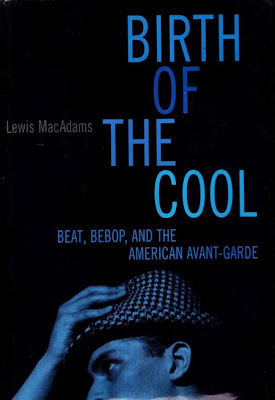
Before I pin down more examples of cool, let's take a closer look at what "cool" might actually mean: In the beautifully written book "Birth of the Cool" American poet-writer Lewis MacAdams traces the word back to its African origins and follows it all through Jazz, the Beat Generation and the wild 60's right into what's become "popular culuture" in the past three decades, when "Cool" sort of washed-out bit by bit. 

The origins of "Cool" root in music, in drumming: Keeping one's cool means to keep the rhythm, not to let oneself get carried away (by ego) but to think of the music and only the music. Later "Cool" becomes opposed by "Heat". Heat means disorder, chaos, legal problems, drug problems - not being in charge, not being in control. A cool person is reliable and keeps control even if things start falling apart. 

And yet another meaning is added: Cool needs faith. A person without a certain faith cannot be cool. One has to believe in oneself, in fate or in God (or all three of them) to be cool. In the end, cool is always related to action, like Marcel Duchamp cutting off a footlong piece of canvas of the painting "Stampede" by Jackson Pollock - just because it's too large for the wall in Peggy Guggenheims apartment - or like Jack Kerouac and Neal Cassady who traveled across the United States several times with no money at all and drank every image, every experience, every conversation they could get hold on. 

Simply to look cool hasn't got much to do with it: Even Snoopy knows that. Right now I have at least two examples of cool in store. To be continued.. 

22.01.2013

My Most Popular Post

At that time I still wrote a new post for each quote, which made reading more difficult. Now I've drawn all the quotes from Shantaram by David Gregory Roberts together into one post.
 I've no idea why, but people keep coming back to it. And for the book: It ceraintly ranks among my Top Ten - for its sheer amount of story, for the colours, the smell - and for its images of love and friendship.

David Gregory Roberts - Shantaram

23.10.2012

Alexandre Dumas - The Count of Monte Christo

File:Dumas by Nadar, 1855.jpg

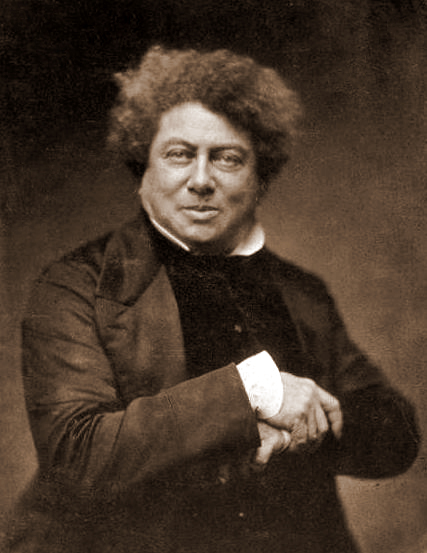
Alexandre Dumas completed The Count of Monte Christo in 1844, collaborating with his  longtime ghostwriter Auguste Maquet. Alongside The Three Musketeers it's one of his most famous novels. Many writers call it a key influence during their youth: A book that can make people love to read. It's been the first, very pleasurable reading adventure on my Kindle (which is why I can't give pagenumbers). 

Here for you a very ramdom selection of quotations:

***
"Be happy, noble heart, be blessed for all the good thou hast done and wilt do hereafter, and let my gratitude remain in obscurity like your good deeds."

***
"Perhaps what I am about to say may seem strange to you, who are socialists, and vaunt humanity and your duty to your neighbor, but I never seek to protect a society which does not protect me, and which I will even say, generally occupies itself about me only to injure me; and thus by giving them a low place in my esteem, and preserving a neutrality towards them, it is society and my neighbor who are indebted to me."

***
Ordinarily M. de Villefort made and returned very few visits. His wife visited for him, and this was the received thing in the world, [...]—in fact, the application of the axiom, "Pretend to think well of yourself, and the world will think well of you," an axiom a hundred times more useful in society nowadays than that of the Greeks, "Know thyself," a knowledge for which, in our days, we have substituted the less difficult and more advantageous science of knowing others.

***

She seemed always so very eager to amuse herself, to have what people call a good time. To me it was as if she knew already then, that the overall picture of her life wasn't going to look like this, that in a future not too distant her life would consist of work and labour almost exclusively. 

***

"Very well," replied M. Danglars, who had listened to all this preamble with imperturbable coolness, but without understanding a word, since like every man burdened with thoughts of the past, he was occupied with seeking the thread of his own ideas in those of the speaker.

***

The past, like the country through which we walk, becomes indistinct as we advance. My position is like that of a person wounded in a dream; he feels the wound, though he cannot recollect when he received it. Come, then, thou regenerate man, thou extravagant prodigal, thou awakened sleeper, thou all-powerful visionary, thou invincible millionaire,—once again review thy past life of starvation and wretchedness, revisit the scenes where fate and misfortune conducted, and where despair received thee.